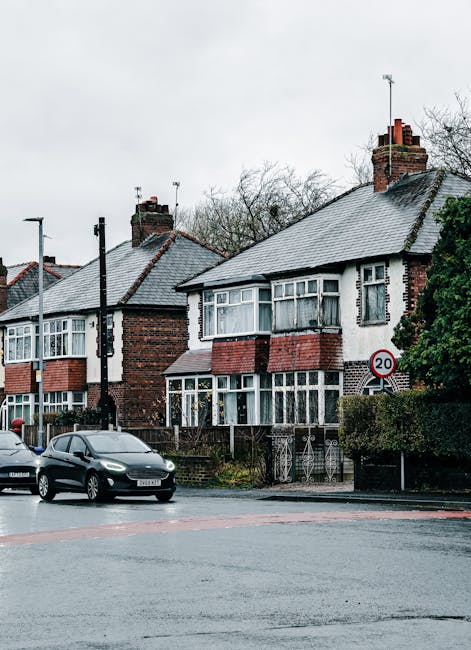
Downham Way bulky waste pick-up guide for residents
If you live on or near Downham Way, bulky waste can become a problem faster than most people expect. A broken wardrobe in the hallway, an old mattress leaning in the spare room, a fridge that no longer works, or a pile of garden cuttings that will not fit in the normal bin collection can quickly take over valuable space. This guide to Downham Way bulky waste pick-up guide for residents explains the practical options, how the process usually works, what to prepare in advance, and how to avoid the common mistakes that slow everything down.
The goal is simple: help you choose the most sensible route for your bulky items, whether you are dealing with a single heavy object or a full property clear-out. You will also find helpful links to related services such as waste removal, furniture disposal, and house clearance if your needs go beyond one-off collection.
Bulky waste is rarely complicated, but it does benefit from a bit of planning. A ten-minute check of access, item type, and collection requirements can save a surprising amount of stress. And yes, that old sofa that has been "temporarily" living in the corner for six months is usually the first thing people regret not booking sooner.
Table of Contents
- Why Downham Way bulky waste pick-up guide for residents Matters
- How Downham Way bulky waste pick-up guide for residents Works
- Key Benefits and Practical Advantages
- Who This Is For and When It Makes Sense
- Step-by-Step Guidance
- Expert Tips for Better Results
- Common Mistakes to Avoid
- Tools, Resources and Recommendations
- Law, Compliance, Standards, or Best Practice
- Options, Methods, or Comparison Table
- Case Study or Real-World Example
- Practical Checklist
- Conclusion
- Frequently Asked Questions
Why Downham Way bulky waste pick-up guide for residents Matters
Bulky waste is more than just an inconvenience. Left too long, it can block hallways, create trip hazards, attract damp, and make normal cleaning or repairs harder than they need to be. For residents on Downham Way, where homes may have limited storage, shared access points, or tighter parking arrangements, the issue is often not the item itself but the logistics around moving it safely.
This is why a clear bulky waste pick-up plan matters. It helps you decide whether you need a council-style collection, a private clearance service, or a combination of both. It also helps you separate items that can be reused or recycled from things that must be treated as general waste. If you are dealing with mixed loads, services like furniture clearance and garage clearance are often more useful than trying to handle everything individually.
There is also a financial angle. Booking the right service for the right job can prevent repeat visits, avoid missed-collection fees, and reduce the need to hire a van or ask neighbours for favours. In practical terms, the right approach usually saves both time and money, especially when bulky items are awkwardly sized or difficult to carry.
Key takeaway: The best bulky waste pick-up is the one that fits your item type, access, timeline, and budget without creating extra handling problems.
How Downham Way bulky waste pick-up guide for residents Works
Although providers vary, bulky waste pick-up usually follows the same basic pattern. You identify the items, check what can be accepted, decide how quickly you need them removed, and then arrange collection. Some services are designed for a small number of large household items; others handle mixed household waste, clearance work, or more complex jobs.
For residents, the two most common routes are:
- Local authority or scheduled bulky waste collection: suitable for certain household items, often with restrictions on item types, quantity, and presentation.
- Private clearance service: better for larger volumes, faster turnaround, awkward access, or mixed waste that includes furniture, appliances, or general household clutter.
If your situation is straightforward, a basic pick-up may be enough. If you are clearing a flat, emptying a loft, or removing a garden build-up, a broader service can be a better fit. Options such as flat clearance, loft clearance, and garden clearance are often chosen when the job is bigger than a single bulky item.
What happens on the day? Typically, the team will confirm access, assess the load, and remove items for disposal, reuse, or recycling. Good providers keep the process simple: you show what needs to go, they handle the lifting, and the space is left clear. That sounds obvious, but it is exactly what makes a smooth collection feel so valuable.
Key Benefits and Practical Advantages
The biggest benefit is obvious: you reclaim space. But the real value of a proper bulky waste collection is broader than that.
- Safety: heavy items are moved without unnecessary lifting or dragging.
- Convenience: you avoid hiring vehicles, recruiting helpers, or making multiple trips.
- Speed: a well-organised pick-up can clear space quickly, which is useful before decorating, moving, or hosting visitors.
- Better disposal outcomes: reusable items can be diverted from landfill where possible.
- Less disruption: professional removal reduces mess in stairwells, entrances, and shared areas.
There is also a mental benefit that residents often underestimate. A cluttered room changes how the whole home feels. Clearing one oversized item can make a room usable again, while clearing several can reset the space entirely. That is one reason people often book home clearance after starting with a single bulky item: once the obvious clutter goes, the rest becomes easier to deal with.
For landlords, tenants, homeowners, and local businesses alike, reliable removal also helps protect property condition. Scratched floors, blocked exits, and damaged walls are easier to avoid when heavy items are handled properly from the start.
Who This Is For and When It Makes Sense
This guide is useful for anyone on Downham Way who needs to move one or more large items that do not belong in the normal bin collection. That includes homeowners, renters, landlords, letting agents, and people helping a family member clear a property.
It makes sense to arrange a bulky waste pick-up when:
- you have a mattress, sofa, wardrobe, or appliance that cannot be put out with standard waste
- you are moving house and want to clear unwanted items before handover
- you are refurbishing or redecorating and need rooms emptied quickly
- you have items stored in a loft, garage, shed, or spare room that now need removing
- you are dealing with leftover contents after a tenancy ends
- you want a simpler solution than transporting heavy waste yourself
For businesses or mixed-use premises, the same logic applies, although commercial waste usually needs a slightly different approach. If that sounds familiar, business waste removal or office clearance may be more appropriate than a standard household collection.
Not every bulky item needs urgent removal. But if it is blocking access, affecting cleanliness, or creating a safety issue, it usually makes sense to act sooner rather than later. Waiting often turns a small task into a bigger one.
Step-by-Step Guidance
A calm, methodical approach is the easiest way to arrange a successful bulky waste pick-up. Here is the practical order that works well in real life.
1. List every item you want removed
Start with a simple inventory. Note the item type, approximate size, and whether it is broken, reusable, or mixed with other materials. A sofa with a loose cushion is one thing; a sofa with embedded wood, metal, and upholstery can be a different disposal proposition.
2. Check access at the property
Look at the route from the room to the exit. Narrow stairs, tight turns, low ceilings, or shared hallways can all affect the removal plan. If the item is in a loft or upper floor, mention that early. A quick access check is one of those small steps that prevents a lot of frustration later.
3. Separate bulky items from general waste
It helps if bulky waste is not buried under bags, boxes, or loose rubbish. Keep the load clear and visible where possible. If you have a mix of furniture, small household rubbish, and repair debris, a broader waste removal service may be more efficient than trying to split the job into pieces.
4. Choose the right service
Decide whether a standard collection is enough or whether you need a larger clearance. As a general rule, a small number of clear bulky items suits a basic pick-up, while a cluttered room, multiple floors, or mixed contents may suit a fuller service. For damaged or unwanted sofas, beds, and cabinets, furniture disposal is a sensible route.
5. Confirm timing and any restrictions
Availability, lifting access, item restrictions, and accepted materials should all be confirmed before the appointment. If you need a quick turnaround, say so clearly. If the collection needs to happen while you are at work, or before a tenancy changeover, give the provider the full picture.
6. Prepare the items on collection day
Make sure the route is clear, pets are secured, and anything you want to keep is moved away from the load. If items are outside, place them somewhere safe and accessible. If they are indoors, avoid wedging them behind other furniture at the last minute.
7. Review what was removed
After collection, do a quick walk-through. Check for missed items, accidental damage, or debris left behind. Most professional teams aim to leave the area neat, but a final look is always sensible.
For larger clearances, the process may include sorting, loading, transport, and recovery for recycling or reuse. If you are unsure what is included, a conversation with the provider before booking is the best time to ask. It is much easier to ask a simple question than to solve a parking puzzle on the day.
Expert Tips for Better Results
A few small habits can improve the whole experience, especially if you are dealing with awkward items or limited space.
- Photograph the items before booking: this helps with quoting, planning, and confirming whether the load is straightforward.
- Measure large items: a tape measure can save guesswork when doors, staircases, or lifts are tight.
- Group similar items together: keep furniture with furniture and garden waste with garden waste where possible.
- Book with a realistic time window: last-minute requests are possible, but a little flexibility usually helps.
- Ask about recycling: if sustainability matters to you, check whether items will be sorted for reuse or recycling.
It also helps to think about the rest of the property. If one room is being cleared, you may spot other items that have quietly become part of the scenery. That spare chair, the broken desk, the old shelving unit - they often travel together. A more complete service such as house clearance can sometimes be more efficient than arranging several separate removals.
Another practical point: if you expect the items to be difficult to carry, tell the provider before they arrive. A good team can plan the right number of staff and equipment when they know what is involved. That makes the visit smoother for everyone.
Common Mistakes to Avoid
Most bulky waste problems come from poor preparation rather than the collection itself. These are the mistakes that tend to cause delays or extra costs.
- Leaving items partly dismantled without telling anyone: a half-stripped wardrobe can actually take longer to handle than the original item.
- Assuming every item is accepted: some waste streams need special handling, especially certain electricals or mixed materials.
- Blocking access on collection day: bins, cars, bikes, and stacked boxes can make loading much harder.
- Underestimating volume: one "extra" item can change the size of the job more than you expect.
- Forgetting about stairs, lifts, and parking: access matters as much as the item itself.
A smaller but surprisingly common mistake is booking too late. If you are moving, decorating, or dealing with an end-of-tenancy deadline, leave a buffer. Things have a habit of taking longer than the ideal version in your head. That is just how homes work.
Tools, Resources and Recommendations
You do not need specialist equipment for most bulky waste jobs, but a few basic tools make preparation easier.
- Tape measure: useful for checking dimensions and access points.
- Camera or phone: handy for taking clear photographs of items before booking.
- Gloves: useful if you need to move lighter loose items safely.
- Labels or tape: helps identify what should stay and what should go.
- Storage bags or boxes: useful for separating small items from bulky loads.
For guidance on what might suit your situation, these pages are often useful starting points: furniture clearance options, garage clearance support, and builders waste clearance if your bulky waste is part of a renovation or refurbishment project.
If you want to understand how a provider works in more detail, reviewing their about us, pricing and quotes, and recycling and sustainability pages can be helpful. Those pages usually reveal whether the company focuses on speed, sorting, customer service, or environmental handling. That is useful context before you book.
Law, Compliance, Standards, or Best Practice
For residents, the main compliance point is simple: waste should go to a legitimate carrier or collection service that handles it responsibly. In the UK, you should be cautious about handing waste to anyone who cannot clearly explain how it will be taken away, where it goes, or how it is processed. You do not need to become an expert in waste law, but you do need to avoid casual arrangements that look cheap and feel vague.
Best practice includes:
- using a provider that can explain collection terms clearly
- checking what items are accepted before booking
- making sure the service is suitable for household, mixed, or business waste
- asking about insurance and on-site safety where relevant
- keeping a record of the service details for your own peace of mind
If you are arranging work in a shared building, flat block, or managed property, keep access rules in mind. Shared entrances, fire routes, and loading restrictions can affect collection planning. Services with clear policies on health and safety and insurance and safety are worth a closer look when the collection is likely to involve stairs, lifting, or tight access.
If you are ever unsure whether a load is appropriate for standard bulky waste pick-up, ask before the appointment. That one conversation can prevent most avoidable issues.
Options, Methods, or Comparison Table
Different residents need different solutions. A single broken chair does not need the same approach as a loft full of mixed furniture. The comparison below may help you decide.
| Option | Best for | Typical strengths | Possible limitations |
|---|---|---|---|
| Council or scheduled bulky collection | One-off household items | Simple for basic loads; suitable for routine clear-outs | May have item limits, booked dates, or restrictions |
| Private bulky waste pick-up | Urgent, awkward, or mixed household loads | Faster timing; more flexible; handles more varied situations | Costs can vary depending on size and access |
| Furniture-specific disposal | Sofas, beds, wardrobes, and similar items | Good fit for bulky household furniture; often straightforward | Less suitable if the job includes other waste types |
| Full property clearance | Flats, houses, lofts, garages, and end-of-tenancy work | Efficient for larger jobs; reduces repeated visits | More involved than a simple one-item collection |
In practice, the "best" option is the one that matches the load and the timeline. If you only need one appliance removed, keep it simple. If you are looking at a packed garage, choose the route that saves the most back-and-forth.
Case Study or Real-World Example
Imagine a Downham Way resident preparing to redecorate a spare room. The room contains a mattress, an old wardrobe, two broken chairs, and a box of mixed household bits. At first glance it feels like a small job, but the wardrobe does not fit neatly through the doorway, the mattress is awkward to bend, and the box contains loose items that could spill if moved carelessly.
Instead of trying to handle each item separately, the resident lists everything in one place, checks access from the room to the front door, and sends photos before booking. The provider recommends grouping the job as a small household clearance rather than a single-item collection. On the day, the team removes everything in one visit, leaving the room ready for decoration. No second trip, no borrowed van, no wrestling with a wardrobe in the stairwell.
This kind of example is common. The practical lesson is that a slightly larger, better-planned collection often works out better than several small and improvised attempts. If you have ever tried to tilt a wardrobe around a tight corner, you will know why.
Practical Checklist
Use this checklist before your bulky waste collection to keep the process smooth.
- List every bulky item you want removed
- Check the route from the item to the exit
- Measure oversized furniture or appliances
- Separate reusable items from general waste where possible
- Take photos for reference
- Confirm what the service will and will not take
- Check whether parking or access needs to be arranged
- Secure pets and clear walkways
- Move anything you want to keep out of the way
- Review the area after collection
If your load includes more than just one or two objects, it may be worth looking at broader support such as home clearance or house clearance. That can be especially helpful if your bulky waste is mixed in with clutter from storage areas or after a move.
Conclusion
A good bulky waste pick-up is not just about getting rid of something large. It is about making the process simple, safe, and proportionate to the job in front of you. For Downham Way residents, that usually means thinking ahead about access, item type, timing, and whether a single collection or a fuller clearance is the smarter choice.
When the plan is right, the result is straightforward: more space, less stress, and a home that feels easier to live in. If you are ready to move from "I should deal with that soon" to "that is finally gone," the next step is to choose the service that matches your situation and request a quote.
Get a free quote today and see how much you can save.
If you would like to speak with a local team about your items, start with the contact page and ask about the best option for your collection.
Frequently Asked Questions
What counts as bulky waste for residents on Downham Way?
Bulky waste usually means large household items that will not fit in regular bins or routine waste collections. Common examples include sofas, mattresses, wardrobes, tables, chairs, white goods, and similar oversized objects.
Can I book a pick-up for just one item?
Yes, in many cases a single item can be collected. A one-item booking is often the best choice for a mattress, fridge, or broken chair, especially if you do not have other waste to remove at the same time.
What is the difference between bulky waste collection and furniture disposal?
Bulky waste collection is a broader term that can include many large items, while furniture disposal focuses specifically on items like sofas, beds, wardrobes, and tables. If your load is mostly furniture, a furniture-specific service may be the cleaner fit.
Do I need to dismantle furniture before collection?
Not always. Some items can be removed intact, but dismantling can help when access is tight or the item is unusually large. If you do take something apart, keep the pieces together and mention it when booking.
How should I prepare items before collection day?
Clear the access route, separate the items to be removed, secure pets, and keep anything you want to retain out of the way. If possible, take photos and confirm collection details before the team arrives.
Can bulky waste pick-up handle mixed rubbish as well as furniture?
Sometimes yes, depending on the service. Mixed loads may be better handled through a more general waste removal or property clearance service rather than a single-item collection.
What if I live in a flat or shared building?
Shared entrances, stairs, lifts, and parking can affect the collection plan. It helps to explain building access in advance so the provider can plan the safest and most efficient route.
Is it better to choose a quick pick-up or a full clearance?
It depends on the size of the job. If you have one or two objects, a quick pick-up is often enough. If the property contains multiple items, a full clearance may save time and reduce repeat visits.
How do I know whether my items can be recycled or reused?
That depends on the material, condition, and the provider's sorting process. Well-made furniture, some metal items, and usable household goods may be suitable for reuse or recycling, but damaged or contaminated items may need different handling.
What should I ask before booking a collection?
Ask what items are accepted, how access is handled, whether pricing is based on volume or item type, and whether the team can manage stairs, lofts, or difficult parking. These questions help avoid surprises on the day.
Can bulky waste collection be arranged for a whole house clear-out?
Yes. If you are dealing with multiple rooms, loft contents, or a property that needs to be emptied, a larger service such as house clearance or home clearance is often more practical than a standard bulky item collection.
What is the safest way to handle a heavy or awkward item?
Do not force it through tight spaces if you are unsure. Measure the route, clear the path, and ask for help if the item is too heavy or awkward to carry safely. Professional removal is usually the better option for anything bulky, damaged, or difficult to grip.
How do I choose a reliable provider for bulky waste removal?
Look for clear communication, straightforward service descriptions, sensible safety information, and transparent pricing or quote guidance. Pages such as pricing and quotes and terms and conditions can help you understand what to expect before you book.
What if I need more than just waste collection?
If the job has grown beyond a simple pick-up, a more complete service may be a better fit. Related options such as garage clearance, loft clearance, or home clearance can be more efficient for larger or mixed loads.