Office Clearance in Downham
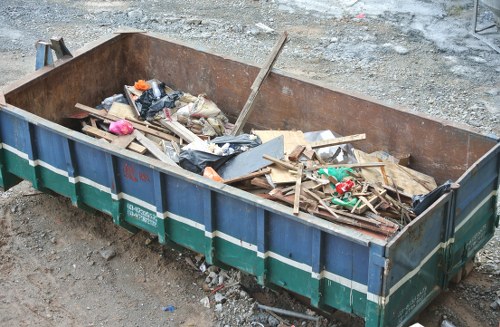
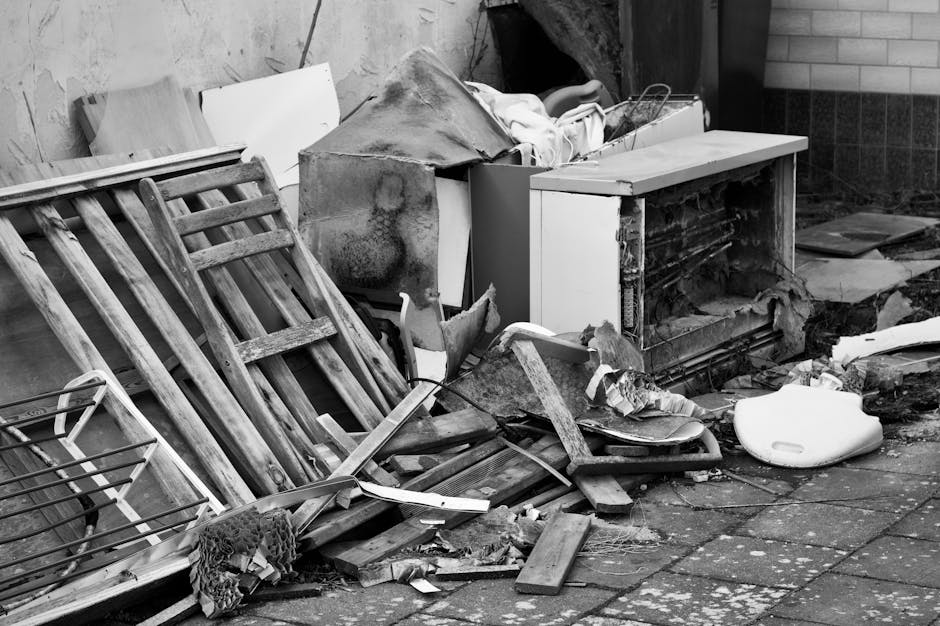
Office Clearance Downham provides a straightforward way to clear workplaces, remove unwanted furnishings and prepare commercial spaces for reuse, refurbishment or handover. The service is centred on practical clearance work for offices, studios, shared work areas and similar premises, with an emphasis on tidy removal and sensible separation of items. For organisations that need a careful reset of a room or a full suite of rooms, the work can be shaped around access, building rules and the specific mix of contents present.
Commercial clearances often involve more than simply taking items away. Desks, chairs, storage units, monitors, partition pieces and mixed office items all need to be handled in a way that keeps the process organised. Where useful, we can approach the work in stages so that reusable pieces, recyclables and general waste are managed with a clearer plan. If you are comparing service options, the office clearance page gives a more focused view of the core service, while this homepage sets out how the work is approached in the Downham area.
The aim is to make clearance practical for people who are dealing with time constraints, changes in occupancy or a workplace that has built up more items than it comfortably needs. A clear brief helps the work proceed smoothly, but the service itself stays centred on the physical removal and sensible handling of contents rather than unnecessary disruption. Call for a quotation when you are ready to outline the items involved.
What an office clearance can cover
Office clearance usually begins with an assessment of the items to be removed and the type of space involved. A small suite may only need a few desks, filing cabinets and loose items collected, while a larger workspace can include meeting tables, reception furniture, shelving, storage units and miscellaneous equipment. The important point is that the service is organised around the actual contents on site, so the clearance can be planned in a way that matches the room layout and access.
Clearance work may also involve separating what should be kept, relocated, recycled or removed. That distinction matters in workplaces where some items remain in use or where a handover requires the room to be left in a particular state. If your project needs a broader view of all removable contents rather than only office fittings, the waste removal page shows the wider service context. For premises with a more general domestic-style contents mix, the home clearance option may also be relevant, although the work here remains firmly focused on office settings.
Practical preparation is usually simple. It helps to identify which rooms, cupboards or storage areas are included, and to note any items that must remain in place. A short list of priorities can save time on the day, especially when different departments have left contents in the same area. If you already know the main categories to be cleared, you can make a more precise request for a quotation and keep the rest of the process organised from the outset.
Furniture, equipment and interior fittings

Many office clearances are driven by furniture changes. Workstations, task chairs, cabinets, meeting tables and reception pieces can all lose their usefulness when a layout changes or a lease ends. The service is designed to deal with these items in a way that keeps the space manageable and avoids leaving the room half-cleared. Where furniture is a major part of the job, a dedicated page on furniture clearance may be helpful, and items that are beyond reuse can be directed through the furniture disposal route when appropriate.
Office furniture often needs a slightly different approach from loose rubbish because of its size, fixings and condition. Some pieces are bulky but still serviceable, while others have damage, missing parts or surface wear that makes them unsuitable for relocation. That variety affects how the clearance is planned and how items are separated during removal. It also explains why office clearances can benefit from a careful, item-by-item approach rather than a general assumption that everything in a room is the same type of waste.
Alongside desks and cabinets, there may be shelving, partitions, noticeboards, small appliances or peripheral equipment. Not every item requires the same handling, and not every workplace needs the same level of dismantling. If your premises includes storage areas as well as workstations, the business waste removal page can sit alongside this service when the job includes a broader mix of commercial waste streams. The key decision is whether you need a room-by-room clear-out or a more general removal of unwanted business contents.
Planning a smooth commercial clearance

Good planning keeps an office clearance orderly. Before work begins, it helps to know which areas are included, whether the building has shared access points, and whether there are time windows that must be respected. In office buildings, lifts, corridors and loading arrangements can all affect the sequence of removal. A simple plan avoids confusion and makes it easier to handle furniture and other contents without interrupting the rest of the building more than necessary.
Two points are especially useful when preparing an enquiry. First, list the main item types and note anything particularly large, fixed or awkward to move. Second, explain any access issues, such as stairs, parking restrictions or building rules that affect collection. That information helps shape the quotation and avoids unnecessary assumptions. It is also wise to mention if the job includes multiple rooms, storerooms or a reception area, because those details can alter both the scale and the order of the work.
Some customers prefer to plan the clearance around an office move, while others are clearing space after a downsizing decision or a change in occupancy. Whatever the reason, the aim remains the same: remove the contents that are no longer required and leave the area ready for its next use. If pricing structure is a concern, the pricing and quotes page is the best place to start before requesting a tailored quotation for the job.
Clearance work for different kinds of workplaces
Not every office has the same layout or contents, so the service needs enough flexibility to suit the space in front of it. A small professional suite may involve a few rooms and some accumulated paperwork storage, while a larger workplace might include several desks, archive pieces, meeting furniture and break area contents. The work is adapted to those differences rather than forcing every job into the same pattern.
In some premises, the clearance may be mainly about furniture. In others, there is a broader mix that includes items from storage rooms, kitchens or general back-office areas. Where a business needs a fuller clear-out of the entire premises, the flat clearance page is not the right fit for office use, but the comparison helps show why this service remains specific to commercial settings. For an outbuilding or storage zone attached to a workplace, the garage clearance page may be useful only as a general point of reference; the actual service here stays focused on office contents.
Because each workplace is different, the most useful conversations centre on the items that must go and the areas that must remain clear. That gives a better basis for sorting, removal and timing than a vague request to empty a room. It also allows the service to be scaled to the right level, whether the priority is a single suite, several floors or a group of rooms that need to be reset for new occupants.
Sorting, reuse and responsible handling

One advantage of a structured office clearance is that it creates room for sensible sorting. Some contents may be suitable for reuse, some may be broken down for recycling and some may need to leave the site as general waste. The exact balance depends on the condition of the items and the nature of the premises, but the underlying process is the same: avoid unnecessary mixing and handle the contents in a practical order.
Responsible handling is particularly relevant in offices because furniture and equipment often arrive in mixed condition. A cabinet with a damaged door may still have useful parts, while an old chair might only be fit for disposal. Where the clearance includes a lot of recyclable material, it can be useful to look at the recycling and sustainability page for the wider approach behind the service. That does not change the on-site work, but it does show how sorting can fit into the overall removal process.
The job is also simpler when the items are grouped by area or type before removal starts. That does not mean everything must be perfectly prepared, only that obvious categories such as desks, seating, archive items and loose contents are easier to deal with when they are identifiable. A measured approach reduces confusion, supports tidier removal and makes the clearance more manageable from first visit to final load.
Office clearance and building handover requirements
Many office clearances are tied to a handover, relocation or refurbishment deadline. In those situations, the important question is not just what needs to be removed, but how the space must be left once the work is done. Some buildings require rooms to be emptied completely, while others only need certain zones cleared before contractors or incoming occupants take over. The service can be organised with that end point in mind.
Where access, timing or building management rules matter, it is sensible to identify them early. Lift bookings, loading arrangements, corridor protection and restricted hours can all affect the sequence of removal. A clear description of the premises helps avoid surprises, especially in shared buildings where other occupiers may still be working nearby. If your project is part of a larger business move, the about us page may help you understand the wider company pages available on the site, while the actual clearance request remains centred on the office contents.
The service is also suitable when an office has gradually accumulated items that no longer belong in day-to-day use. Archive furniture, redundant tables, spare seating and old storage pieces can make a room harder to use than it needs to be. Clearing those items restores practical space and gives the room a more workable layout for the next stage of occupation, whatever that stage may be.
About Downham
Downham in south-east London is a residential area in the London Borough of Lewisham, shaped by the growth of suburban housing in the first half of the twentieth century. Much of its built form reflects the interwar period, when estates of semidetached and terraced homes were laid out alongside local shopping parades and community facilities. The area is closely associated with Downham Estate, a large municipal housing development completed in the 1920s and 1930s to help address housing shortages in the capital. Its street pattern and open spaces still show that planned suburban character, with broad roads, tree-lined sections and a generally low-rise profile. Downham’s position near the borough boundary gives it a link to neighbouring parts of Lewisham and Bromley, while local routes connect it to surrounding districts without the feel of a dense town centre. Green spaces are an important part of the area’s identity, including Beckenham Place Park not far away and a number of smaller recreation grounds and playing fields that support everyday leisure use. The area is served by Downham railway station, and transport links have long shaped how residents move towards central London and nearby centres. In daily life, the locality mixes housing, local shopping areas and routes that reflect its suburban planning history, while remaining firmly part of the wider south-east London landscape.
Choosing the right scope for the job
Some clients need a full office emptied, while others only need certain rooms or categories of contents removed. That choice matters because it affects the order of work, the time needed on site and the way items are separated. A reception area, for example, may need a different approach from a back office or archive room, and a single floor can still contain several distinct clearance tasks if the furniture and stored items vary widely.
If the job includes workplace contents as well as mixed commercial waste, it can be useful to define where the clearance starts and ends. That keeps the work on target and prevents confusion over what is to remain in place. For larger sites with a broader range of stored materials, the builders waste clearance page may be useful only where renovation debris is involved, while the office service remains the better fit for furniture, fittings and general workplace contents. Keep the brief specific and the result becomes easier to plan.
When in doubt, describe the rooms, the main item types and the outcome you want. A simple description such as cleared, sorted and ready for handover is often enough to begin. From there, the quotation can reflect the scale of the job rather than relying on guesswork, and the service can be aligned to the actual conditions on site.
Requesting a quotation

For a quotation, it is best to share the basic facts that affect the clearance: the location, the type of office, the item categories and any access considerations. If there are items that must stay, say so clearly. If there are desks, chairs, cabinets, archive pieces or electronics to be removed, listing those groups helps create a more accurate estimate. Where the work is connected to a move or handover, mention the target date so the schedule can be considered alongside the scope.
Short, practical details are usually more helpful than lengthy explanations. A room count, a rough item summary and a note on access can make a significant difference to how quickly the job can be assessed. If you are ready to go further, use the relevant enquiry route on the site and ask for a tailored quotation. The service can then be matched to the office, the contents and the timeframe without adding unnecessary complexity.
When you are ready, request a quotation for your office clearance in Downham. A clear enquiry makes it easier to plan the work, keep the space moving towards handover and deal with the contents in a tidy, organised way. If the removal also involves broader household or commercial contents, you can still start here and explain the full scope in your message.